
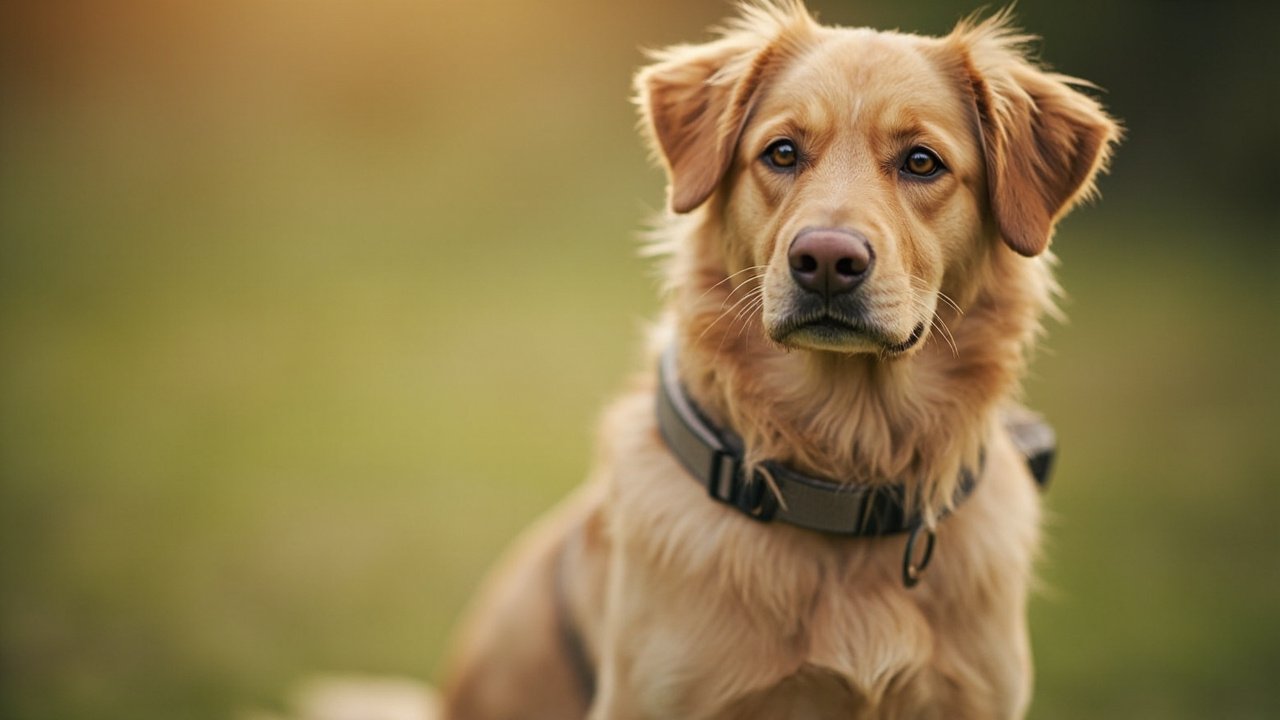
A recent news report highlighted a sobering summer safety lesson: a dog can develop heatstroke after only a few minutes in a hot car. The exact timing varies with the weather, vehicle, dog, and ventilation, but the message is clear. Heatstroke in dogs is an emergency, not simply a case of being thirsty or uncomfortable. Knowing the symptoms and acting promptly can protect a companion during a heatwave, a long walk, or an ordinary errand.
This guide explains how to recognise heatstroke in dogs, what first aid is sensible on the way to veterinary care, and why the advice about ice-cold water needs a little nuance. It is written for families in the US, UK, Australia, Canada, and anywhere warm weather puts extra strain on pets.
Why heatstroke can develop so quickly
Dogs cool themselves mainly by panting and by releasing heat through the paw pads and smaller areas of exposed skin. They do not sweat over their whole body as people do. In hot, humid conditions, panting becomes less effective, especially when a dog cannot move to shade or drink safely.
A parked car is particularly dangerous because its interior can become much hotter than the outside air in a short time. Cracking a window does not make a reliable safety plan. Exercise during the hottest part of the day, crowded outdoor events, hot pavement, poor air circulation, and stressful travel can also contribute.
Some dogs have less safety margin. Flat-faced breeds such as Pugs, French Bulldogs, and English Bulldogs may struggle to move air efficiently. Puppies, senior dogs, overweight dogs, and pets with heart, lung, or airway disease also need closer supervision. A thick coat is not the only risk factor, and even a fit dog can become dangerously overheated.
Heatstroke in dogs symptoms to watch for
Early signs can look like ordinary exertion, so watch for intensity and progression rather than one symptom alone. Heavy, rapid, or noisy panting that does not settle after stopping exercise is a warning. Other common signs include excessive drooling, bright red or unusually pale gums, restlessness, weakness, reluctance to walk, vomiting, diarrhoea, and a wobbly gait.
As heatstroke progresses, a dog may become confused, collapse, have muscle tremors, suffer a seizure, or lose consciousness. Some dogs develop dark, sticky gums or abnormal bleeding. A normal-looking temperature reading does not rule out danger if the dog is deteriorating. The body may begin cooling as circulation fails, which is not a reassuring sign.
If your dog is showing more than mild heat stress, treat it as urgent. Call a veterinary clinic while you begin safe cooling. Do not wait to see whether the symptoms disappear overnight. Heatstroke can damage the kidneys, liver, brain, intestines, and blood-clotting system even when a dog appears brighter after the initial episode.
What to do during a heatstroke emergency
First, move your dog out of direct sun and stop all exercise. If possible, have someone call the nearest veterinarian or emergency hospital while you help. Offer small amounts of cool, fresh water if your dog is awake and able to swallow normally. Never force water into a weak, confused, or unconscious dog.
Begin gentle active cooling with water that feels cool or lukewarm to your hand, then use moving air from a fan, car vent, or open area. Wet the body, especially the neck, chest, abdomen, inner thighs, and paw pads, while avoiding the nose and mouth. Keep checking your dog. If shivering, distress, weakness, or reduced awareness appears, stop home cooling and follow the veterinarian’s directions.
Transport the dog as soon as possible, even if panting improves. Keep the car cool and use air conditioning or open ventilation. A wet towel can help during a brief transfer, but do not wrap a hot dog tightly in a wet towel because it can trap heat. Veterinary examination matters because complications may appear hours after the body temperature seems normal.
The ice-cold water myth explained
People often hear that ice or very cold water will make a dog go into shock or cause the skin to seal in heat. That is an oversimplification. The bigger concern is unsafe application. Pouring ice water over a distressed dog, packing the body in ice, or forcing a large amount of cold water can cause discomfort, shivering, aspiration, or a delay in professional care.
For most heat emergencies, controlled cooling with cool tap water and airflow is a practical first aid approach. If a veterinarian specifically recommends ice packs, place them wrapped in cloth near areas such as the groin or armpits rather than covering the entire body. The goal is gradual, monitored cooling, not making the dog as cold as possible.
Preventing heatstroke on ordinary days
Plan walks for early morning or evening, and test pavement with the back of your hand. If it is too hot for your skin after several seconds, it is too hot for paws. Choose shaded routes and shorten activity when humidity is high. Bring water for both of you, but remember that drinking water does not make a hot car safe.
Never leave a dog alone in a parked vehicle, even in mild weather or with windows partly open. At home, provide shade, water, and a cool indoor option. Grooming should be sensible for the individual coat. Shaving a double-coated dog does not automatically prevent overheating and can remove insulation from sun and heat.
Watch behaviour rather than relying on breed stereotypes. A dog that normally loves fetch may keep playing despite becoming dangerously hot. Build in rest breaks, avoid intense exercise after meals if your vet has advised caution, and ask your clinic about a personalised plan for dogs with airway, heart, or breathing problems.
Useful cooling and travel products
Products can make prevention easier, but none makes it safe to leave a dog unattended in heat. Choose washable materials, inspect items regularly, and introduce new gear at home. Price ranges vary by country, size, and brand. The figures below are broad US dollar equivalents, so compare local prices in pounds, Canadian dollars, or Australian dollars.
| Product | Best for | Typical price range | Why it works |
|---|---|---|---|
| Elevated mesh cot | Home patios and shaded rest areas | $35 to $120 | Raises the dog off hot ground and allows air to circulate underneath. |
| Pressure-activated cooling mat | Indoor naps and travel breaks | $20 to $80 | Provides a cooler resting surface without electricity; use in shade and check for chewing damage. |
| Insulated travel water bottle | Walks, hikes, and road trips | $12 to $35 | Makes it easier to offer small, regular drinks and carry a clean bowl or cup. |
| Reflective vehicle sun shade | Reducing heat during supervised travel | $15 to $45 | Blocks some solar gain while the vehicle is moving or briefly parked with an adult present. |
| Rechargeable clip-on fan | Crates, tents, and outdoor shade | $20 to $60 | Improves airflow, but it cannot replace air conditioning or supervision in hot weather. |
When a dog needs a veterinarian
Any collapse, seizure, confusion, repeated vomiting, breathing difficulty, or loss of coordination warrants emergency care. Contact a vet for persistent heavy panting, unusual gum colour, marked weakness, or a rectal temperature above the range your veterinarian considers safe. Do not give human medicines, sports drinks, or salt water unless a veterinary professional instructs you to do so.
Even a dog that recovers quickly should be assessed after suspected heatstroke. Internal injury is not always visible at home. Be ready to tell the clinic when the overheating began, what activity occurred, whether the dog vomited or collapsed, and what cooling steps you used.
Frequently asked questions
Q: How can I tell normal panting from heatstroke?
Normal panting should ease with rest, shade, and calm. Heatstroke is more likely when panting is extreme or persistent and comes with weakness, drooling, red or pale gums, vomiting, confusion, or collapse.
Q: Can a dog get heatstroke indoors?
Yes. Poor ventilation, high humidity, a sunny room, a warm conservatory, or a power outage can create dangerous conditions. Move your dog to the coolest available room and contact a vet if symptoms develop.
Q: Should I use ice packs on my dog?
Use them only as a controlled measure and preferably after speaking with a veterinarian. Wrap packs in cloth and place them near the groin or armpits. Do not cover a hot dog in ice or force cold water.
Q: Is a cooling mat enough for a summer walk?
No. A cooling mat can support rest, but it does not prevent overheating during exercise or make a parked car safe. Shade, timing, water, airflow, and supervision remain essential.
Q: What should I do if my dog refuses water after overheating?
Do not force water into the mouth. Keep the dog calm and cool while contacting an emergency veterinarian. Refusal to drink, especially with weakness or vomiting, needs prompt professional advice.
Bottom line: Heatstroke in dogs can become life-threatening within minutes, especially in a hot car or during strenuous activity. Learn the early symptoms, move your dog to a cool place, use gentle water and airflow, avoid forcing drinks or applying extreme cold, and contact a veterinarian promptly. Prevention is the safest treatment, so plan cooler outings and never leave a dog alone in a vehicle.